
Our paediatric and squint services are dedicated to caring for children's eye health. We provide care for children with ranging from refractive errors, amblyopia( lazy eye), eye alignment issues (squint) to paediatric cataracts which can affect both vision and appearance if left untreated. We offer comprehensive evaluations and a full range of treatments—from glasses and vision therapy to advanced surgical options tailored to support healthy visual development.
Amblyopia, also known as lazy eye, is a vision development disorder that affects 2-3% of children. It occurs when the brain favors one eye over the other, causing the weaker eye to become underdeveloped. Symptoms include blurred vision, eye misalignment, and difficulty with depth perception. Treatment options include patching the stronger eye, atropine therapy, and corrective glasses or contact lenses. Early detection and treatment before age 7 can significantly improve vision outcomes and prevent long-term vision impairment.

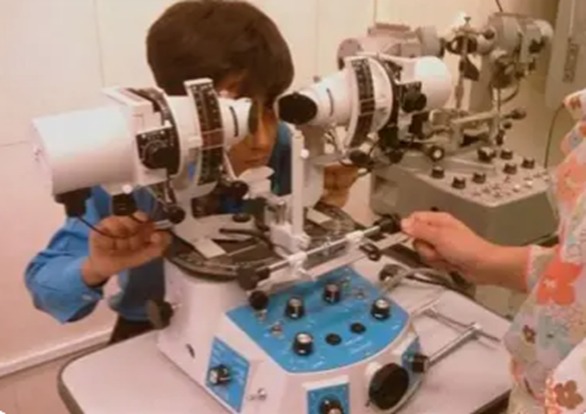
Orthoptics is a specialized field of eye care that focuses on the diagnosis and treatment of eye movement and alignment disorders, such as strabismus (crossed eyes) and amblyopia (lazy eye). Orthoptists use various techniques, including eye exercises, patching, and prism lenses, to improve eye alignment, movement, and vision. They work closely with ophthalmologists and optometrists to provide comprehensive care for patients with eye movement and alignment disorders. Orthoptics plays a crucial role in improving vision and quality of life for individuals with these conditions.
Squint, also known as strabismus, is a condition where the eyes are misaligned, causing them to point in different directions. This can lead to double vision, blurred vision, and eye strain. Treatment options include glasses, prism lenses, and patching to realign the eyes and improve vision. However, in some cases, surgery may be necessary.
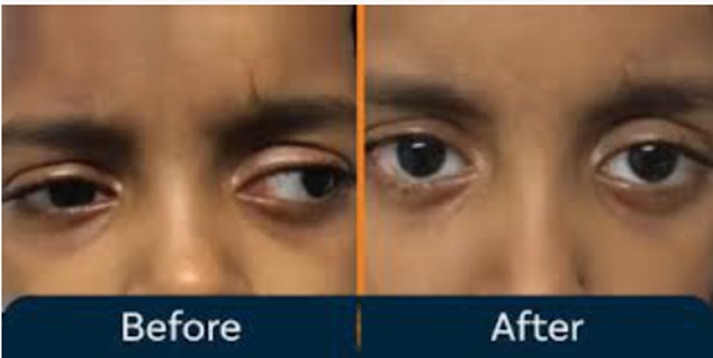
Surgical options for squint include:
Surgery is usually performed under general anesthesia and can be effective in correcting squint and improving vision.
Adult squint, also known as strabismus, is a condition where the eyes are misaligned, causing them to point in different directions. This can lead to double vision, blurred vision, and eye strain. Adult squint can be caused by various factors, including stroke, head trauma, and neurological disorders.
Treatment options for adult squint include:
Surgery is usually performed under local anesthesia and can be effective in correcting adult squint and improving vision. However, the outcome may be less predictable than in children, and the risk of complications may be higher.
Paediatric cataract is a clouding of the lens in a child's eye, affecting vision. It can be congenital (present at birth) or acquired (developing later in childhood). Symptoms include white or cloudy pupil, vision loss, and squinting.
Surgical treatment is usually necessary to remove the cloudy lens and restore vision. The goal of surgery is to remove the cataract and correct any refractive error.
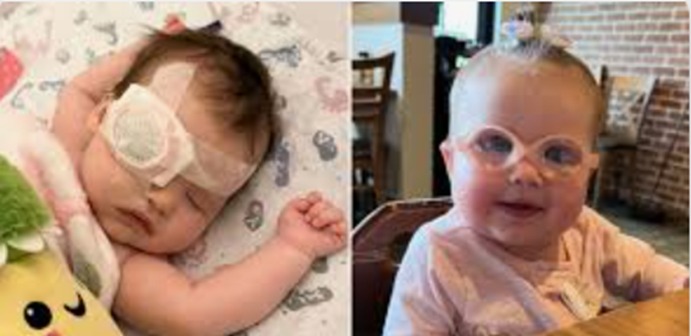
Surgical options include:
Post-operative care includes eye drops, glasses or contact lenses, and follow-up appointments
Congenital nasolacrimal duct obstruction (CNLDO) is a common condition where the tear duct is blocked, causing excessive tearing and eye discharge in newborns. It occurs when the membrane covering the tear duct at birth fails to open. Symptoms include persistent tearing, eye discharge, and crusting. Treatment options include massage, probing, and irrigation. In some cases, a surgical procedure called dacryocystorhinostomy (DCR) may be necessary to create a new passage for tears to drain. Most cases resolve by 12-18 months with proper treatment.


DOMS, DNB, FICO
stethoscope_arrow Cataract Surgery, Paediatric Ophthalmology & Squint Services, General Ophthalmology
event_available OP Days:
Monday,Wednesday,Friday,Saturday