
General ophthalmology provides comprehensive eye care, from routine vision checks to the diagnosis and treatment of common eye conditions. Our goal is to help you maintain healthy eyes and clear vision at every stage.
External eye disorders affect the outer structures of the eye, including the eyelids, conjunctiva, and cornea. Common disorders include:
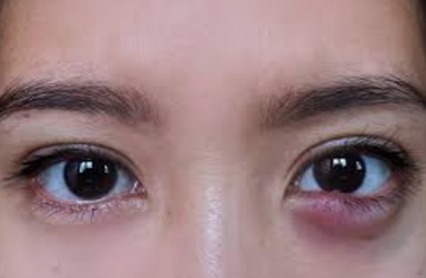
These disorders can cause discomfort, vision impairment, and potentially lead to more serious complications if left untreated.
Refractive errors occur when the eye's optical system fails to focus light correctly on the retina. The main types are:

How is it treated?
Refractive errors can be corrected with glasses, contact lenses, or refractive surgery. Uncorrected refractive errors can lead to vision impairment and decreased quality of life.

Allergic eye disease, also known as allergic conjunctivitis, occurs when the eyes react to an allergen, such as pollen, dust, or pet dander. Common symptoms include itchy, red, watery, and swollen eyes. Seasonal allergic conjunctivitis is triggered by pollen and occurs during specific times of the year. Perennial allergic conjunctivitis is caused by year-round allergens like dust mites or pet dander. Treatment typically involves avoiding allergens, using antihistamine eye drops or medications, and applying cold compresses to alleviate symptoms. Proper diagnosis and management can help alleviate symptoms and improve quality of life.
Allergic eye disease can significantly impact daily activities, but with effective treatment, individuals can experience relief and improved eye health. Regular eye exams are essential for proper diagnosis and treatment. By understanding the causes and symptoms, individuals can take steps to manage their condition.
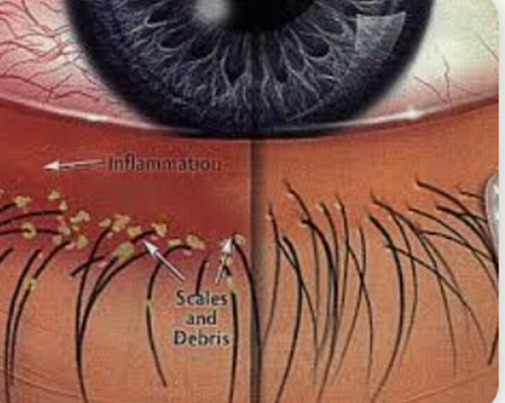
Blepharitis is a common, chronic inflammation of the eyelids, typically affecting the eyelid margins. It's often caused by bacterial or demodex mite infestation, or seborrheic dermatitis. Symptoms include redness, itching, burning, crusting, and flaking of the eyelids. Blepharitis can lead to discomfort, blurred vision, and increased risk of eye infections. Treatment involves maintaining good eyelid hygiene, applying warm compresses, and using antibiotic ointments or drops. In some cases, medicated shampoos or steroid eye drops may be prescribed. Proper management can help alleviate symptoms and prevent complications.
Blepharitis can be a recurring condition, requiring ongoing care. By understanding the causes and symptoms, individuals can take steps to manage their condition and prevent exacerbations. Regular eye exams are essential for proper diagnosis and treatment. With effective treatment, individuals can experience relief and improved eye health. Good eyelid hygiene is key to managing blepharitis.
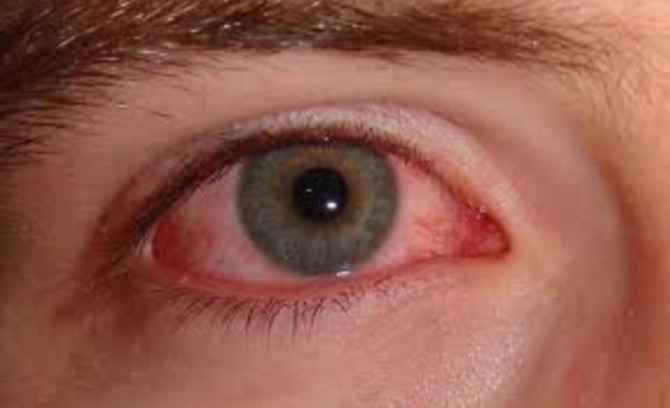
Conjunctivitis, commonly known as "Pink Eye", is an inflammation of the conjunctiva, the thin membrane covering the white part of the eye and inside of the eyelids. It's highly contagious and can be caused by viruses, bacteria, or allergens, leading to symptoms like redness, swelling, itching, burning, and discharge or crusting, especially in the morning. Treatment depends on the cause, with viral conjunctivitis usually resolving on its own, bacterial conjunctivitis requiring antibiotic eye drops or ointment, and allergic conjunctivitis treated with antihistamine eye drops or oral medications.
Prevention of Spread:
By taking these precautions, you can reduce the risk of spreading conjunctivitis to others and promote a speedy recovery. If symptoms persist or worsen, consult an eye doctor for proper diagnosis and treatment.
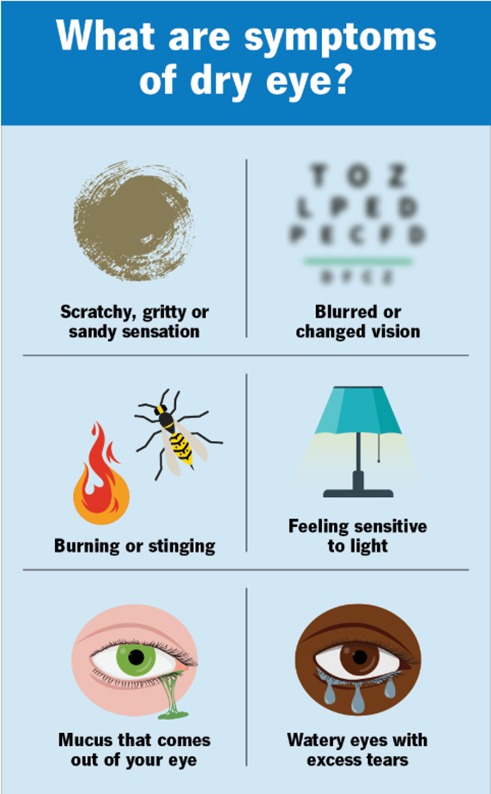
Dry eye is a common condition where the eyes don't produce enough tears or the tears are of poor quality, leading to discomfort and vision problems. Symptoms include dryness, grittiness, burning, or stinging sensations in the eyes, as well as blurred vision, redness, and sensitivity to light. To evaluate dry eye, an eye doctor will assess tear production and quality, examine the ocular surface, and may perform tests such as the Schirmer's test or tear breakup time.
Treatment typically involves lubricating the eyes with artificial tears, and in some cases, prescription medications like cyclosporine or lifitegrast may be used to increase tear production. Additionally, punctal plugs or warm compresses may be recommended to block tear drainage or improve tear quality. By working with an eye doctor, individuals with dry eye can find relief from symptoms and improve their eye health and comfort. Treatment plans are often tailored to the individual's specific needs.

D.O., D.N.B., FICO,MRCS
stethoscope_arrow General Ophthalmology, Cataract Surgery, Community Ophthalmology
event_available OP Days:
Monday,Tuesday,Wednesday,Thursday,Friday,Saturday

MS, FICO
stethoscope_arrow Cataract Surgery, Glaucoma, General Ophthalmology
event_available OP Days:
Monday,Tuesday,Thursday,Saturday

MS, FVRS
stethoscope_arrow Vitreo Retina, General Ophthalmology
event_available OP Days:
Monday,Tuesday,Wednesday,Thursday,Friday,Saturday
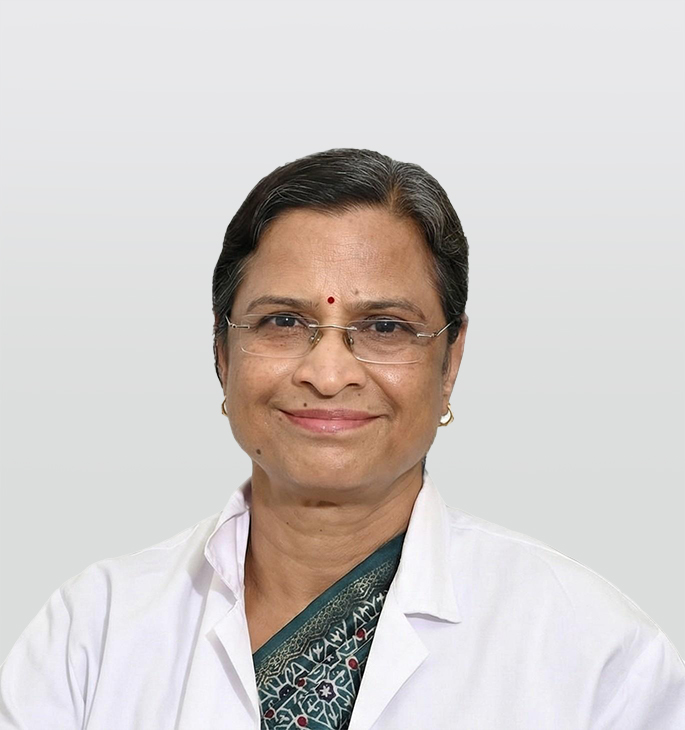
DO, FICO
stethoscope_arrow Neuro Ophthalmology, General Ophthalmology
event_available OP Days:
Monday,Tuesday,Wednesday,Thursday,Friday,Saturday

Managing Director
M.D.(AIIMS) D.N.B., F.RCS (Edinburgh & Glasgow)
stethoscope_arrow Cataract Surgery, LASIK & Refractive Surgery, Cornea Services, General Ophthalmology
event_available OP Days:
Monday,Tuesday,Thursday

D.O., D.N.B., MS, FRCS
stethoscope_arrow Vitreo Retina, Cataract Surgery, General Ophthalmology
event_available OP Days:
Thursday,Saturday

Medical Superintendent
MS, DNB, DO, FICO(UK), MRCS(Edin)
stethoscope_arrow Cataract Surgery, Uvea Services, General Ophthalmology
event_available OP Days:
Tuesday,Wednesday,Thursday,Saturday

D.O., D.N.B., ICO, FMRF, FRCS(GLASG)
stethoscope_arrow Vitreo Retina, General Ophthalmology
event_available OP Days:
Monday,Wednesday,Thursday,Friday

DOMS, DNB, FICO
stethoscope_arrow Cataract Surgery, Paediatric Ophthalmology & Squint Services, General Ophthalmology
event_available OP Days:
Monday,Wednesday,Friday,Saturday